From an engineering perspective, controlling extreme cold in homes involves managing heat transfer mechanisms, including conduction, convection, radiation, air movement, and internal heat gains.
Effective solutions for controlling extreme cold combine passive design, envelope performance, and active systems.
Engineering deals with solving the technical problems that confront society. From this point, we will employ an engineering perspective to mitigate the extreme cold.
Recommended Articles
- How To Be a Professional Engineer With Examples
- What Does a Project Manager Do in the Construction Site?
- How a Civil Engineer Can Make Money Online
- Indian Standards (IS) Codes: What You Need To Know
- How to Simply Estimate Footings Foundation Reinforcements
- How To Design a Pad Foundation in Accordance with BS 8110
Controlling Extreme Cold In Homes
Here are the main key points to consider for controlling the extreme cold in our homes:
Building envelope: Insulation and Thermal Continuity
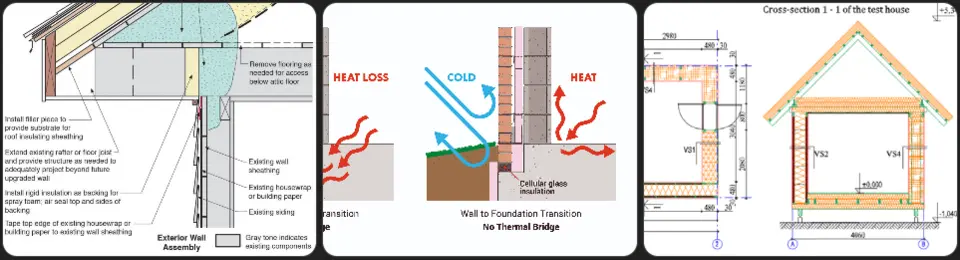
The envelope is the primary control layer. High-performance insulation in walls, roofs, and floors reduces conductive heat loss.
Material choice depends on climate, cost, and constructability (e.g., mineral wool, rigid foam, cellulose). Thermal continuity is critical: gaps, thermal bridges at slabs, beams, window frames, and wall–roof junctions can negate insulation value.
Detailing to eliminate bridges often yields larger gains than simply increasing insulation thickness.
Airtightness and Controlled Ventilation
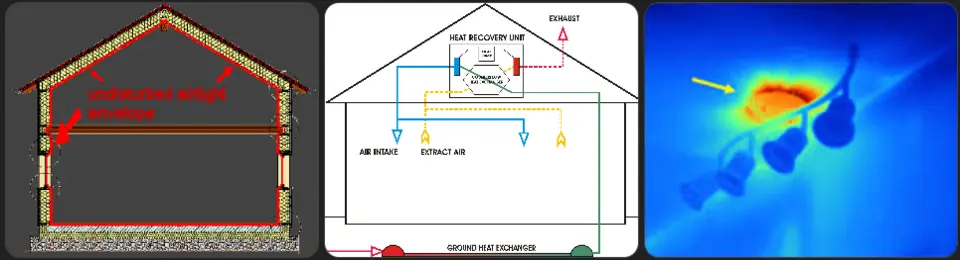
Uncontrolled air leakage causes convective heat loss and drafts. Engineering control focuses on airtight layers, sealed penetrations, and pressure-tested construction.
Windows and Glazing Performance
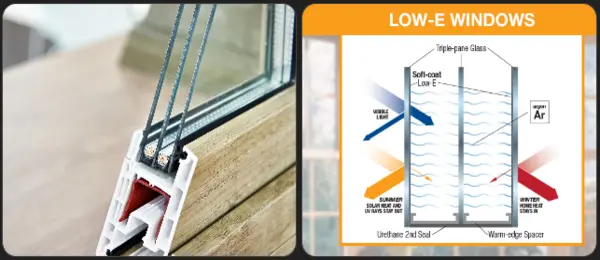
Windows are typically the weakest thermal element. Engineering upgrades include double- or triple-glazing, low-emissivity coatings, inert-gas fills, warm-edge spacers, and insulated frames.
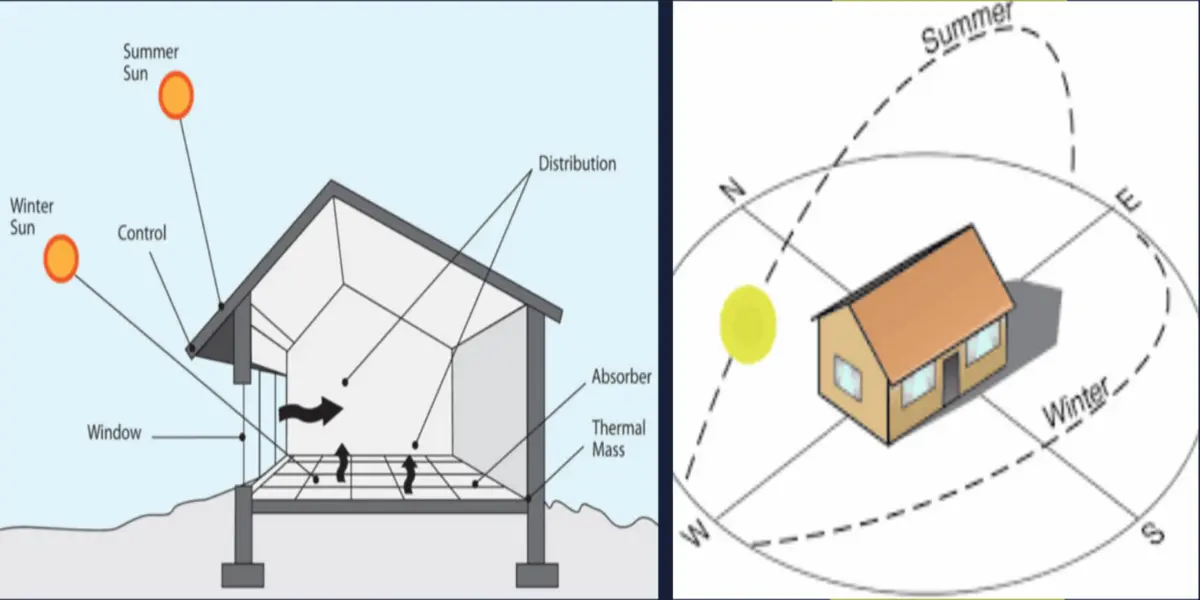
Orientation matters: south-facing glazing (in cold climates) can provide net heat gain if shading is designed to prevent nighttime heat loss.
Passive Solar Design and Building Orientation
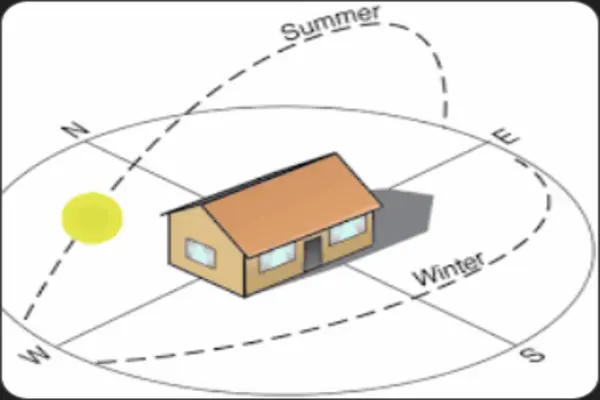
Passive strategies reduce heating demand before mechanical systems are considered. Key measures include orienting major glazing toward the winter sun, compact building form to reduce surface area, and using thermal mass (concrete, masonry) to store daytime solar gains and release them at night.
Heating Systems Selection and Distribution
Once demand is minimised, heating systems are sized accordingly. High-efficiency options include air-source or ground-source heat pumps, condensing boilers, and district heating where available.
Distribution matters: radiant floor systems reduce stratification and improve comfort at lower air temperatures; properly balanced hydronic or ducted systems prevent cold zones.
Moisture Control and Durability
Cold climates amplify moisture risks. Vapour control layers, correct placement of insulation relative to dew point, and drainage planes prevent condensation, mould, and loss of insulation performance.
Engineering analysis (e.g., hygrothermal modelling) is often warranted for assemblies in extreme cold.
Smart Controls and Monitoring
Zoned thermostats, weather-compensated controls, and occupancy-based scheduling reduce energy use while maintaining comfort.
Sensors can detect drafts, temperature gradients, and humidity issues early.
Wrapping Up
As explained above, from an engineering standpoint, controlling extreme cold in residential buildings is fundamentally about reducing heat loss, managing air and moisture movement, and efficiently supplying heat.
The optimal solution prioritises demand reduction through building physics before adding mechanical capacity.
The above solution can be used to control the extreme cold in our home.
That’s all.